

Research Updates

Here at Bigger Better Brains we believe that through educating yourself, you can then educate and affect positive change in your community.
With all of the research in the field of neuromusical science, our BBB Research section serves as a content hub for you. We regularly share findings and break down the latest research to educate and inspire discussion. We hope you enjoy this page on our website and share BBB news with your colleagues, parents and students.

Can Harmony Help Students Connect?
Can harmony do more than shape sound, can it shape connection? New research suggests predictable harmony may help align not just music, but people.

Is recorded music just as good as live music?
Research suggests it’s not that simple. Live music creates stronger emotional and brain responses, especially when there’s real-time interaction between performer and listener. If that’s the case, it raises an important question, how often are students actively involved in shaping music in the moment in your classroom?

Depressed? Classical music could be the unexpected remedy!
Music has always been a go-to for lifting our spirits, but did you know classical music might take it a step further by actually helping treat depression?

The surprising link between music and cognitive health in older adults
Can music play a role in healthy aging? According to new research, the answer might be yes.

Can Music Sync Our Heartbeats? This Study Says Yes!
Imagine sitting in a concert hall, completely immersed in the music, when something incredible happens—you and the people around you begin to breathe and feel the same rhythm.
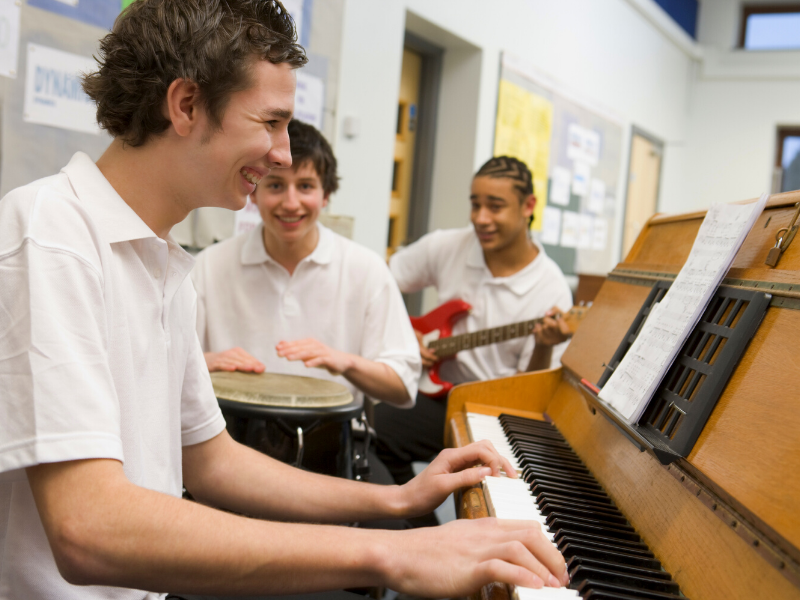
Challenge your brain with different music!
This study looks at how our brains engaged with familiar and unfamiliar music. Turns out our brains sustains engagement with music that is unfamiliar.

Listening to music we prefer gets us more connected to ourselves
Why do we prefer different types of music? Why isn’t there just one type of music that everyone likes? The answer may be that we only get connected with our true selves, the part of our brain that is full of our thoughts, through music that we choose for ourselves.

How listening to music can have psychological benefits during lockdown
This article gives us an excellent summary of the ways that music listening can have physiological benefits, and it is a great reminder of the ways we can use music to improve our wellbeing.

Listening to music while exercising activates specific brain region
Have you been listening to music as you get your daily exercise in during COVID-19? Have you found yourself changing your music choices during this troubling time, maybe to lighten your mood or help you focus more on your exercise and less on these uncertain times?

Listening to self-selected happy music can provide mood-repair and a sense of connection
Researchers have wondered if “listening to comforting music, as a response to a social loss experience, provides a sense of empathic company as indicated by reduced loneliness and heightened empathy.”

Music synchronises our brain!
There is a theory called the theory of familiarity in music. It is, as described at the end of this article, the idea of an inverted U.

What is working memory and how might music learning help?
This article is a great explanation of working memory and the different ways it is affected by disorders such as dyslexia, auditory processing disorder and ADHD.


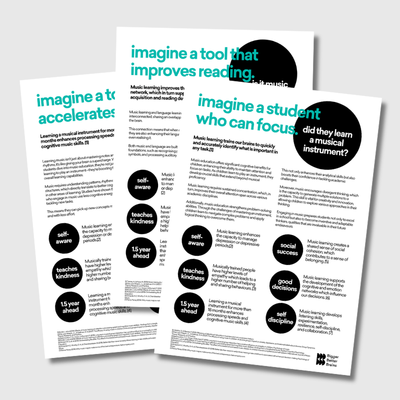
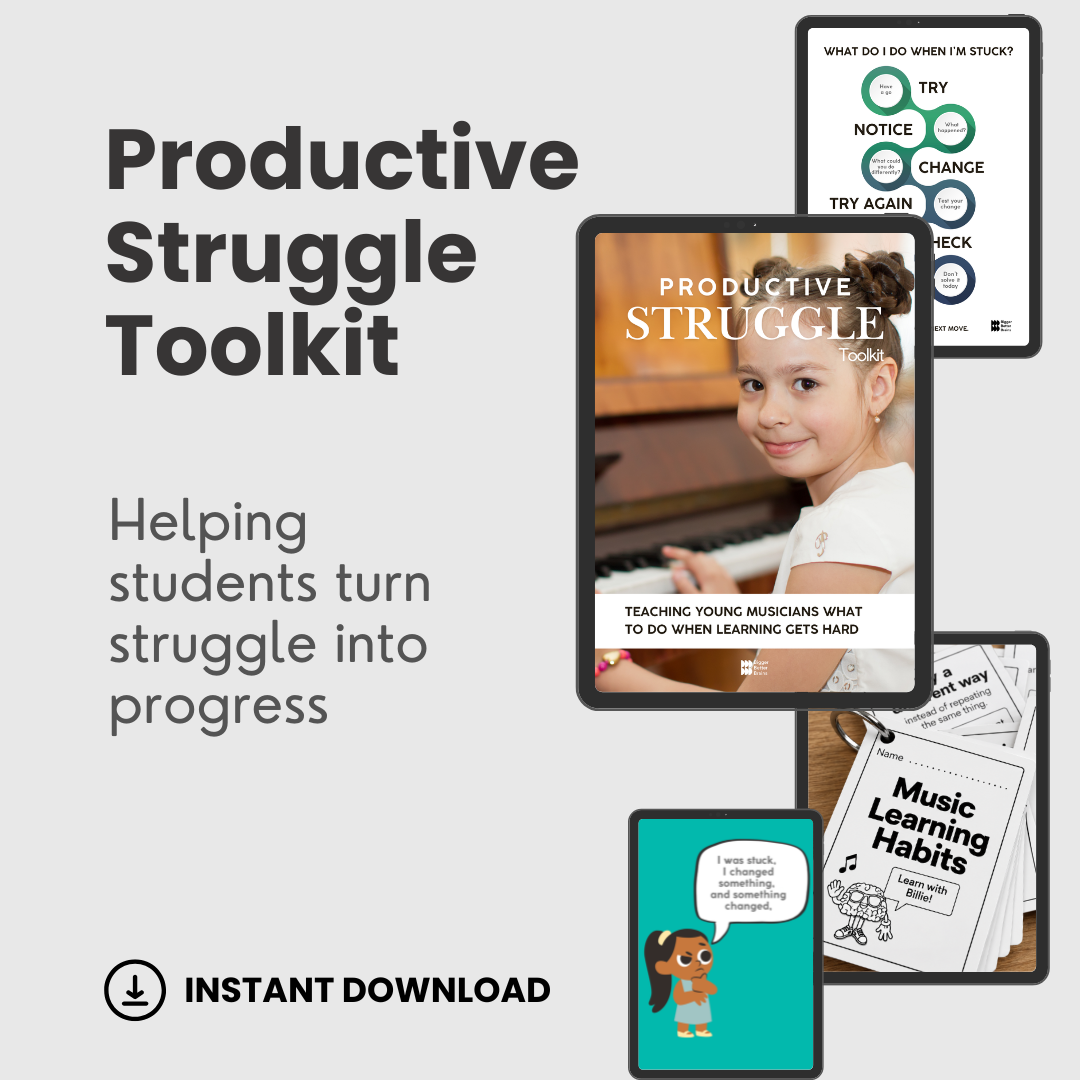
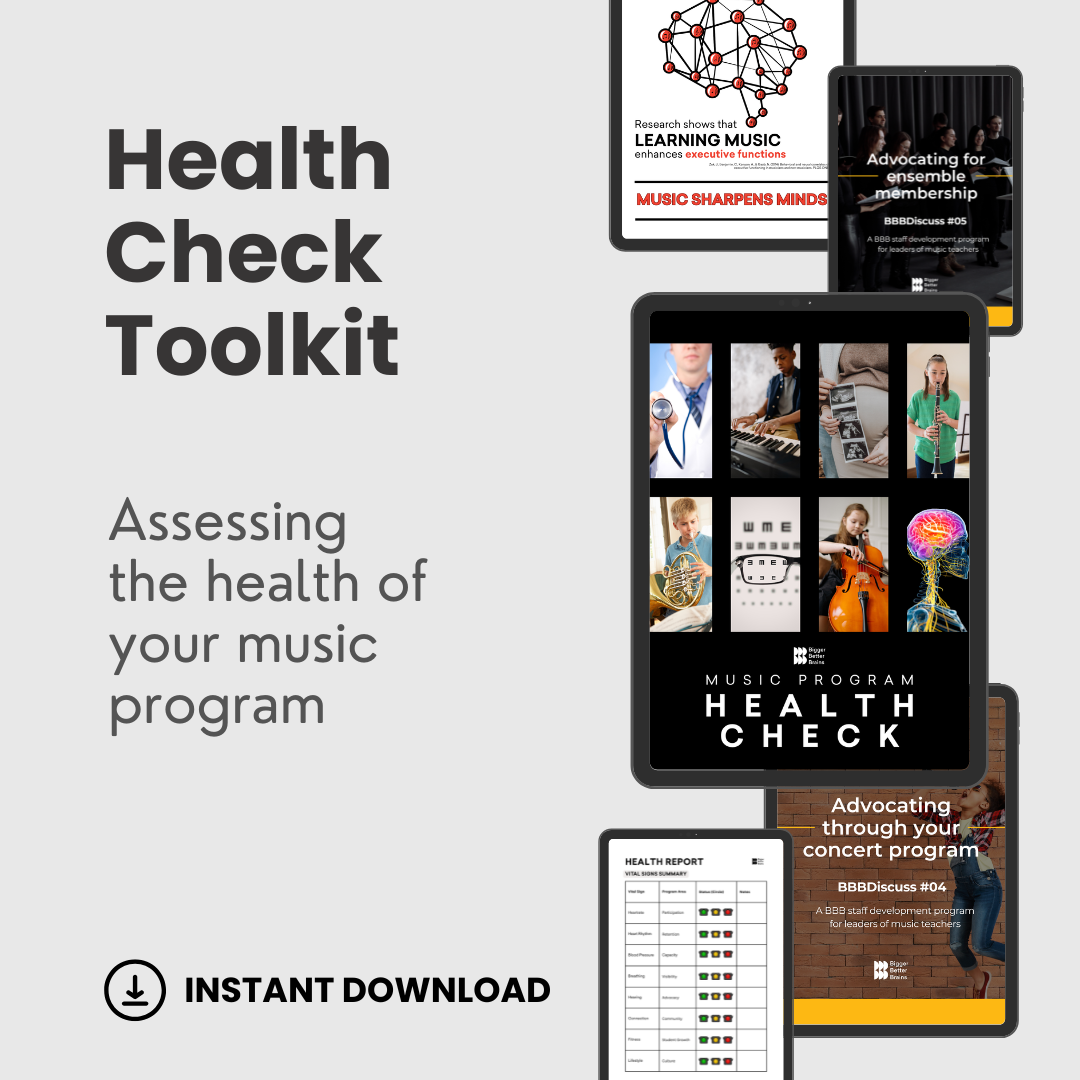
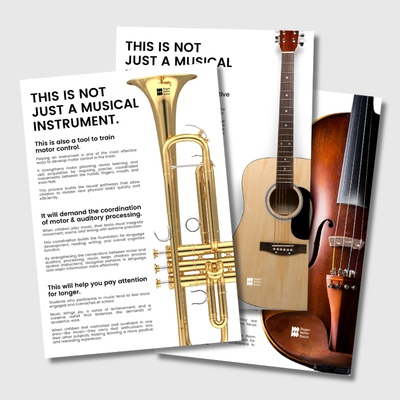
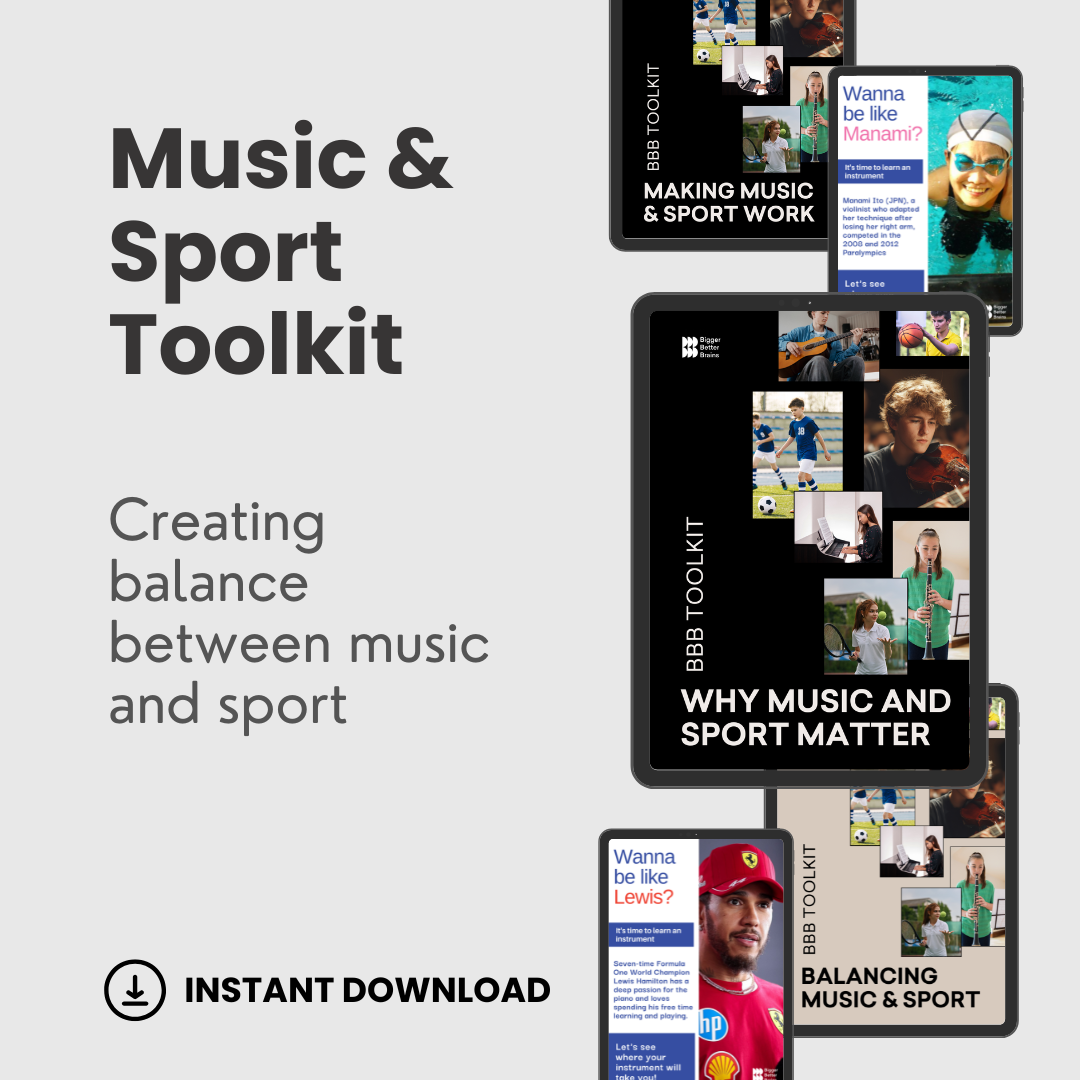

The evidence behind everything you teach, in one book
From Dr Anita Collins, music educator and creator of the TED-Ed video watched 17+ million times, translating the world's neuroscience research into the case for music education and the strategies to bring it into your teaching.
You already know music changes your students. The Music Advantage gives you the research that proves it. Because Anita explains the science through real-life stories, it reads like a good conversation rather than a textbook. Use it to advocate for your program, win over parents and leadership, and sharpen what you do in the classroom.
WHAT YOU GET
The complete book, 260 pages
Easy to read: the neuroscience explained through real classroom and family stories
Practical strategies you can apply across any age you teach, from birth to the teenage years
CHOOSE YOUR EDITION
Global edition: for readers outside the US
US edition: US terminology and examples
Signed copy: personally signed by Dr Anita Collins [while stocks last]
HOW TEACHERS USE IT
Advocacy: make the evidence-based case to school leadership for funding and keeping your program
Parent conversations: answer "is it really worth it?" with authority at enrolment and parent nights
In the classroom: practical strategies, from clapping to help a struggling reader, to ensemble play for concentration and social skills
Professional development: deepen your grasp of the "why" behind your teaching, or read it as a department
WHY IT WORKS
Written by Dr Anita Collins and grounded in research from leading neuromusical scientists worldwide, so when you make the case for music you are standing on the science, not opinion. And the real-life stories mean you will actually enjoy reading it.
"This book is my bible. I have so many highlights and pages flagged that I can use with parents and for quotes in emails." Kirsten, Music Teacher.
COMMON QUESTIONS
Which edition should I choose? Global for outside the US, US edition for US spelling and examples.
Is it a hard read? Not at all. Anita uses real-life stories to make the science clear and enjoyable.
What ages does it cover? Birth to the 18 years, useful whatever level you teach.
Add to cart NOW. Put the evidence for music behind your program today.
KEEP THE ADVOCACY GOING
BBB+ gives music teachers everything they need to make the case for music all year round:
A new advocacy toolkit every month
A library of 500+ tools and resources
Exclusive student exercises and advocacy materials
Member discounts
See what members get HERE